How much does a drainage specialist cost?
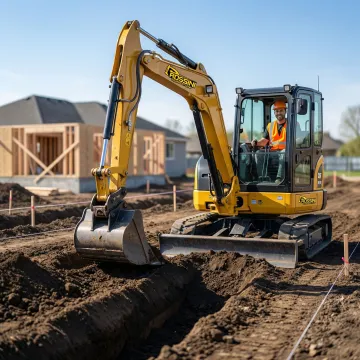
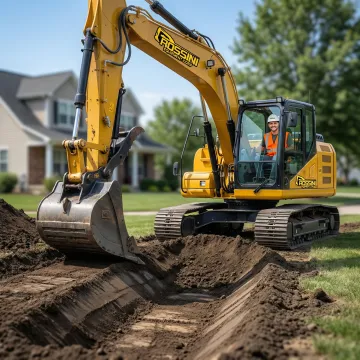
Drainage specialist costs vary based on project scope, site conditions, and the type of drainage system required. Simple surface grading may cost a few hundred dollars, while comprehensive drainage systems with underground piping, French drains, and catch basins typically range from several thousand to over ten thousand dollars for complex installations. At Rossini Equipment Corp., we provide detailed site assessments and transparent estimates that account for excavation depth, material requirements, equipment needs, and the specific drainage challenges present on your Sullivan County property.
How much does grading and drainage cost?
Grading and drainage project costs depend on site size, terrain complexity, soil conditions, and the extent of work required. Residential yard regrading typically starts around $1,000-$3,000 for basic slopes, while foundation-level grading with comprehensive drainage systems can range from $5,000 to $15,000 or more for larger properties. Commercial site grading involves additional factors like cut-and-fill volumes, compaction requirements, and engineered drainage specifications. We assess your property, evaluate existing drainage issues, and provide accurate estimates based on the specific solutions needed to protect your investment.
How much does it cost to fix yard drainage issues?
Fixing yard drainage problems can range from $500 for minor surface grading adjustments to $8,000+ for extensive solutions involving French drains, catch basins, and underground piping systems. Costs are influenced by factors including problem severity, yard size, soil type, accessibility for equipment, and whether foundation protection is needed. Simple solutions like creating swales or adjusting surface grades are more affordable, while comprehensive systems that redirect water away from structures and prevent basement flooding require more investment. We evaluate your specific drainage challenges and recommend cost-effective solutions tailored to Sullivan County's soil and weather conditions.
How do I know if my property needs drainage work?
Common signs include standing water after rain, soggy areas that don't dry out, water pooling near foundations, basement moisture or flooding, erosion channels in your yard, and downspout water flowing toward your home. If you notice these issues, professional drainage assessment can identify problem areas and recommend solutions before water damage worsens. Sullivan County's variable terrain and seasonal precipitation patterns often create drainage challenges that require proper grading and drainage system installation to protect structures and maintain usable outdoor spaces year-round.
What's the difference between grading and drainage work?
Grading involves reshaping the ground surface to create proper slopes and contours that direct water away from structures and toward appropriate drainage points. Drainage work includes installing systems like French drains, catch basins, culverts, and underground piping to collect and channel water off your property. The two services work together—proper grading establishes the surface flow patterns, while drainage systems capture and redirect water that would otherwise pool or cause erosion. Most effective solutions combine both grading and drainage components designed specifically for your site conditions.
How long does a typical grading and drainage project take?
Project duration depends on scope and complexity. Simple yard regrading can often be completed in one to two days, while comprehensive drainage installations with excavation, piping, and multiple drainage components may require three to seven days or more. Weather conditions, soil type, and site accessibility also affect timelines. Larger commercial projects involving extensive cut-and-fill operations or engineered drainage systems may span several weeks. We provide realistic schedules during the estimate phase and work efficiently to minimize disruption to your property while ensuring proper installation and long-term drainage effectiveness.
Will grading work damage my existing landscaping?
Professional grading aims to minimize landscape disruption, though some impact is unavoidable when reshaping terrain or installing drainage systems. We plan equipment routes carefully, protect trees and plantings where possible, and restore disturbed areas after grading work is complete. For projects requiring significant excavation or slope changes, we discuss landscape impacts upfront and coordinate timing with any planned landscaping or hardscaping projects. Our experienced operators use precision techniques to limit unnecessary disturbance while achieving the proper grades and drainage patterns needed to protect your property from water damage.
Do I need permits for grading and drainage work?
Permit requirements vary by municipality and project scope. Minor residential grading typically doesn't require permits, but significant earth-moving, changes to natural drainage patterns, or work affecting neighboring properties may require local approval. Commercial projects and work in regulated areas often require grading permits, stormwater management plans, and erosion control measures. We're familiar with Sullivan County and Orange County regulations and can advise on permit requirements during project planning. For complex projects, we recommend consulting with local building departments early to ensure compliance with all applicable codes and environmental regulations.